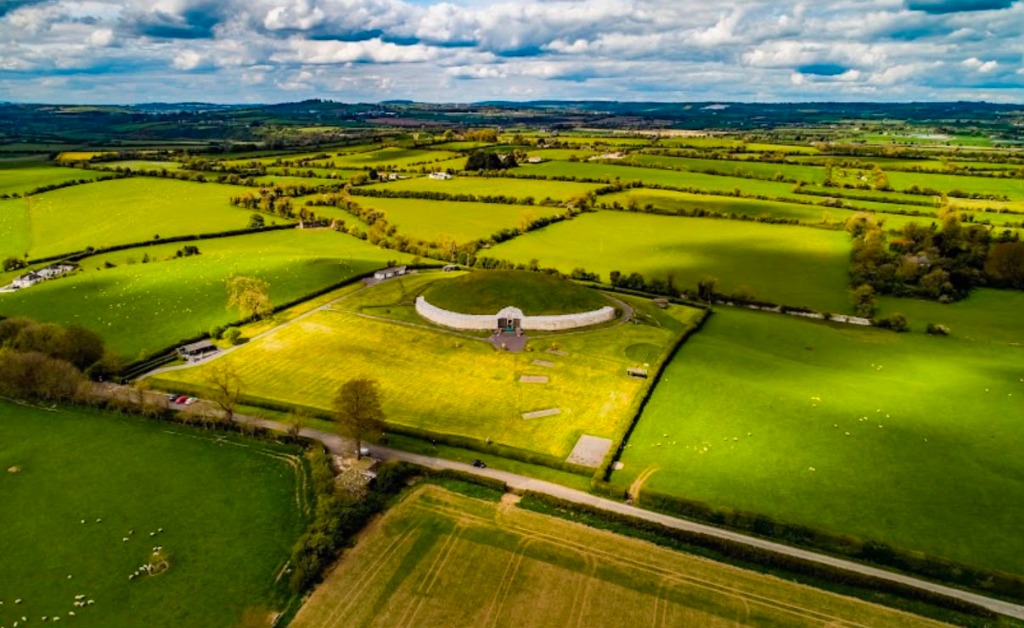
It can be daunting to explain the influences that shape a lifetime of art. For me, it begins in childhood, visiting the passage tombs and megaliths of Ireland. It is a mysterious, mystical world—structures built over 5,200 years ago, long before modern technology.
The photograph above is an aerial view of Newgrange, built by the Tuatha Dé Danann—a legendary group that predates the Celts. Asides from being a passage tomb, its interior is recognized as the world's first astrological calendar.
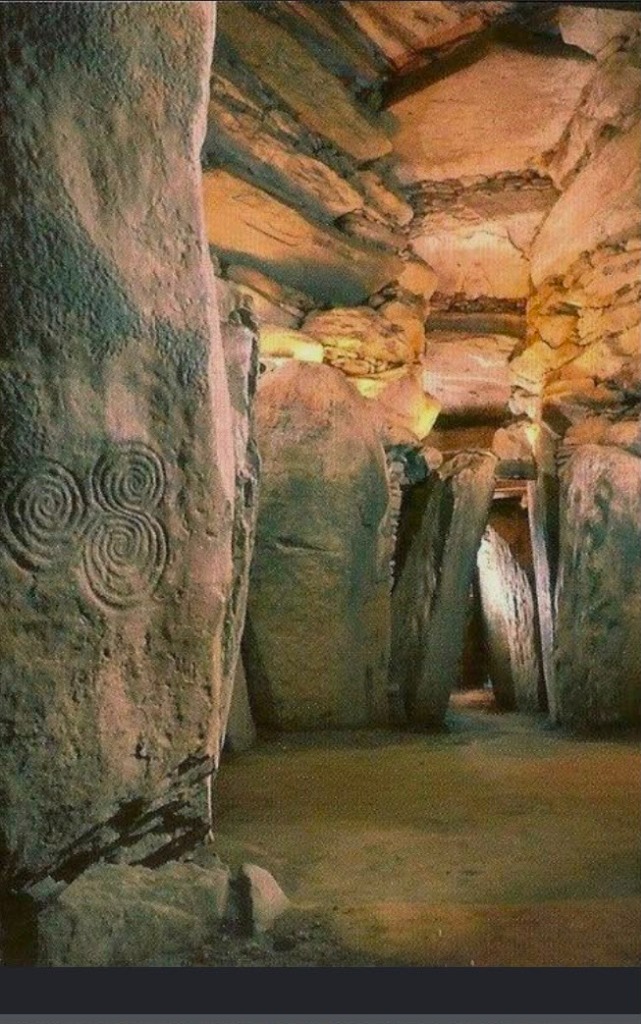
The mythology surrounding these places is incredibly complex. It speaks of the 'middle earth' people, fairies, and deeply rooted folklore. I've found that cultures worldwide share this profound connection to the earth; the Balinese, for instance, have a similar knowing that the volcanoes speak.
Circles, Forts, and Dolmens
My fascination doesn't stop at Newgrange. The landscape is dotted with ancient circles like Ring Forts dating back to 3,800 BC:
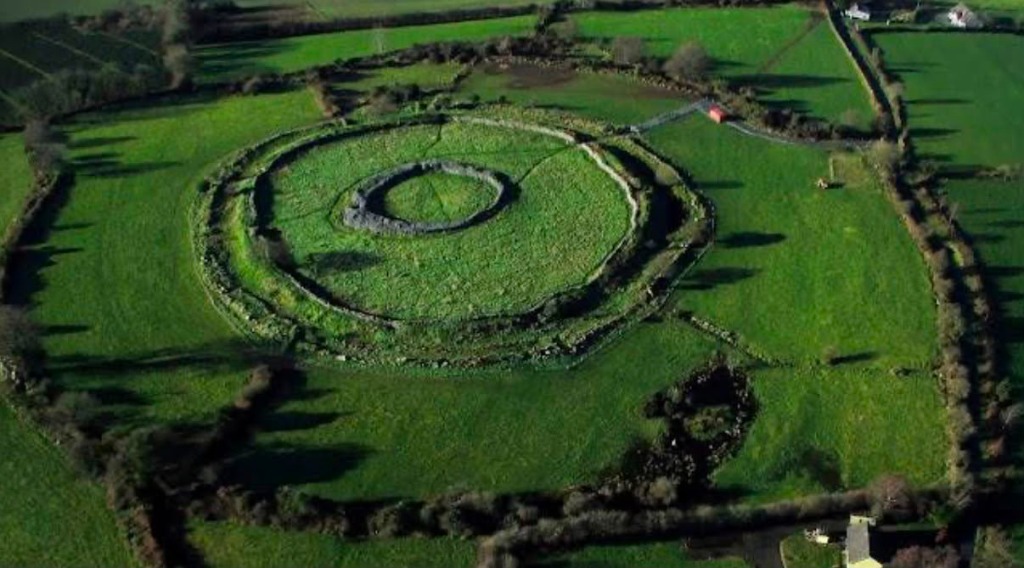
We also have "Raheens" (pictured below)—sacred sites that remain strictly "no go" areas to this day out of deep cultural respect, functioning much like untouched sanctuaries.
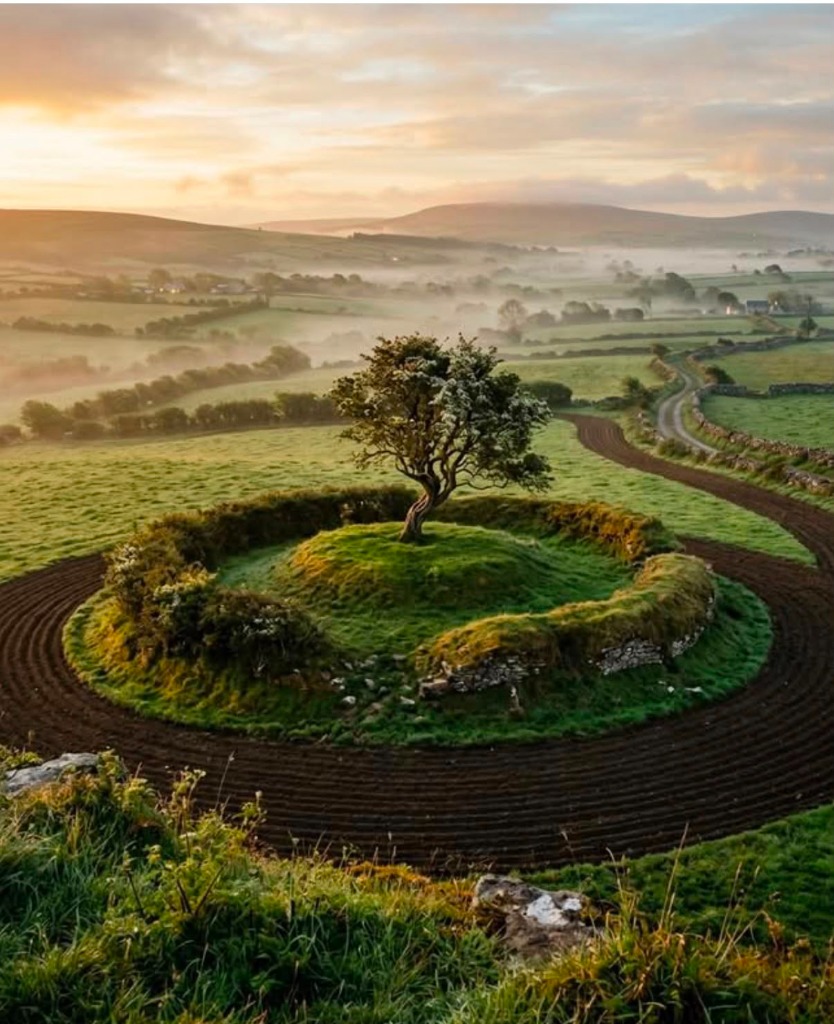
The Celts built Dolmens as grave sites for their chiefs.
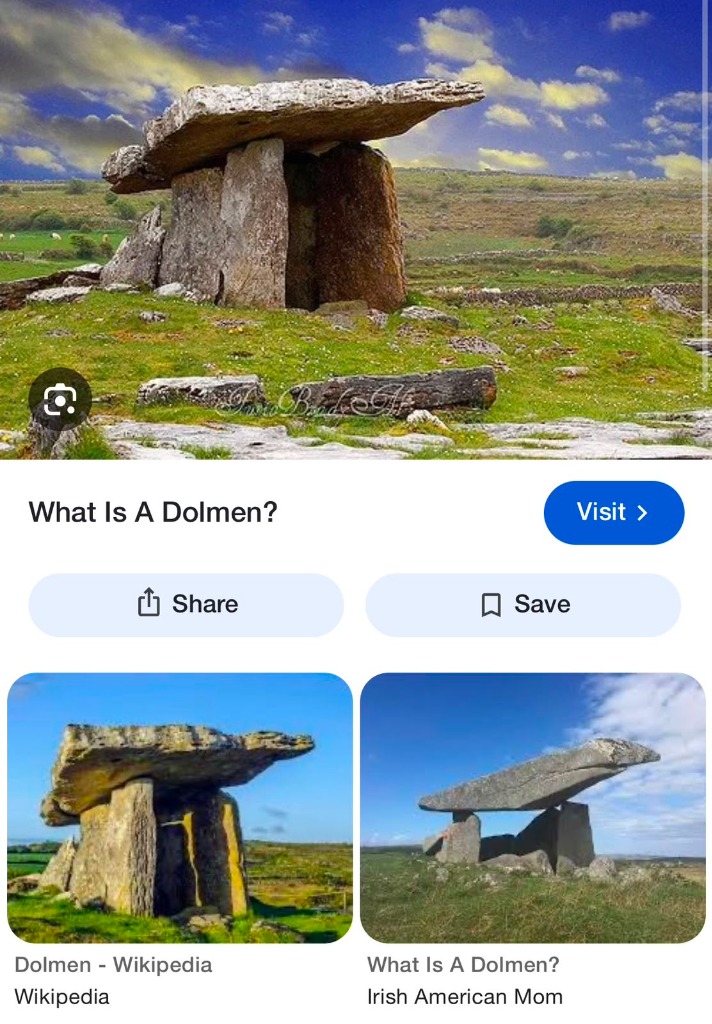
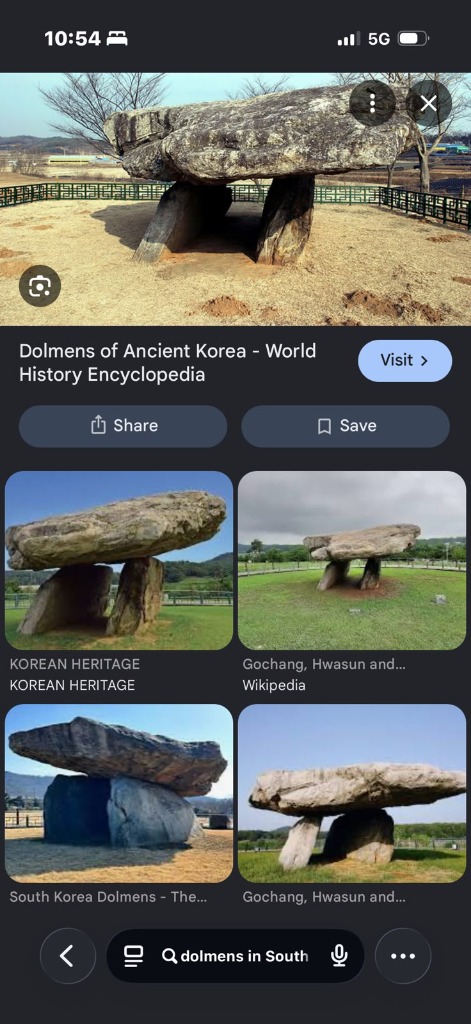
What's bizarre and fascinating is how universal these monumental stone structures are. You can find Dolmens in the Urals of Russia, in France, and in Spain. Oddly enough, nearly 40% of all Dolmens in the world are found in South Korea.
There is also Rathcroghan, the oldest unexcavated Royal Complex in Europe, spanning 10 by 10 kilometers. It features the legendary cave where Halloween (Samhain) originates.
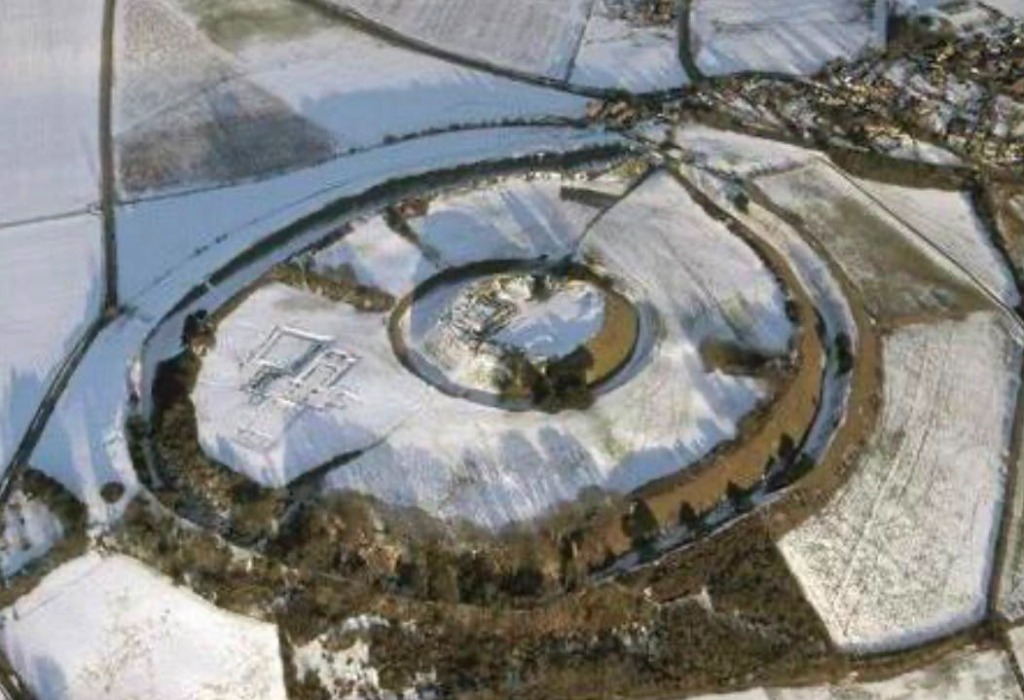
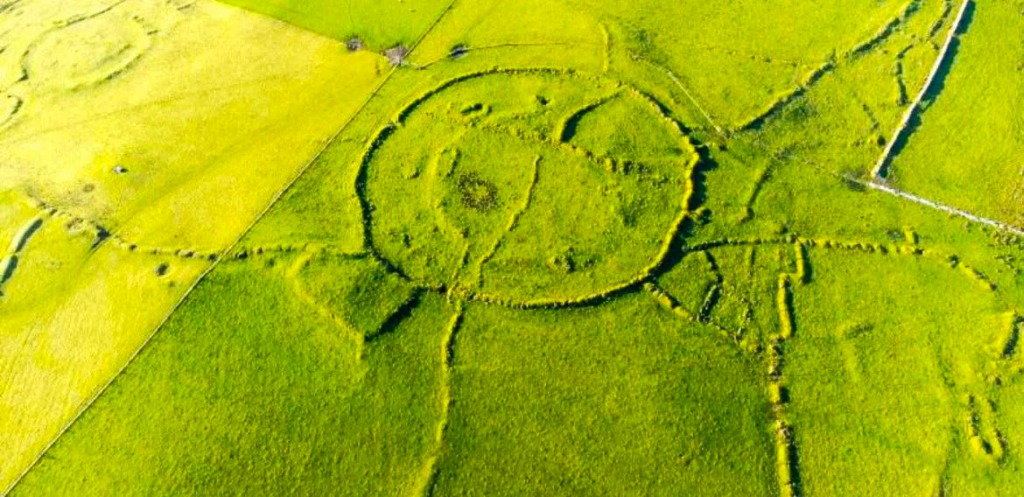
Only a tiny fraction of it has been excavated, yet it holds thousands of artifacts.
Photo credits & attribution: Aerial, historical, and landscape photography used in this journal are sourced for educational and illustrative purposes. Select satellite and historical imagery via Google Earth / public domain.